
A home improvement involving gas boiler replacement delivers substantial effects on your comfort standards and safety measures as well as your energy costs. The comprehensive guide includes complete information about gas boiler replacement that includes installation procedures alongside replacement expenses and important factors along with post-replacement care specifically designed for Dublin homeowners. Our boiler replacement guidance draws from recent statistics and expert recommendations to assist you with choosing the best options for your boiler replacement work.
Why Consider Gas Boiler Replacement?
The typical operational life span of gas boilers extends from 10 to 15 years. A boiler needs replacement when it breaks down frequently and becomes inefficient and its heating costs increase. The efficiency levels of contemporary boilers exceed 90% while previous generations achieved less than 70% efficiency which leads to better energy consumption and environmental impact. A boiler update leads to instant financial savings along with long-term benefits.
Your Step-by-Step Guide to Gas Boiler Replacement
Step 1: Initial Assessment and Choosing the Right New Boiler
Gas boiler replacement begins with determining your home requirements for heating. The process of determining your property’s heat requirements requires a calculation that considers its dimensions together with insulation standards and radiator count and water heating practices. A site survey performed by our Dublin engineers leads to the selection of suitable boiler units for your home. A boiler which is either underpowered or oversized for your house results in both money and energy loss.
Consider energy-efficient models such as high-efficiency condensing boilers . Dublin homeowners commonly select Combi boilers because they have a compact design and instant hot water functionality . The modern boiler market includes smart control systems which help users optimize temperatures and operate their equipment from a distance.
For complete information about the various boiler brands available in Dublin visit: Popular Boiler Brands
Step 2: Getting Quotes and Understanding Gas Boiler Replacement Costs
The replacement expenses for gas boilers stem from four main factors which include boiler brand selection along with model type and output power and the installation complexity and requirements for pipework and flue system modifications. Standard domestic properties in Dublin require between €2,500 and €4,500 for gas boiler replacement. Find detailed information about new gas boiler expenses at this link: New Boiler Prices
The price encompasses new boiler purchase expenses and labour costs as well as removal fees for the old boiler and installation fees for boiler controls and testing and commissioning expenses. Multiple quotes from RGI registered engineers help you achieve competitive pricing and personalized services. Keep an eye out for extremely cheap bids since they could signal poor work quality and unexpected charges.
Step 3: Safe Removal of the Previous Boiler System
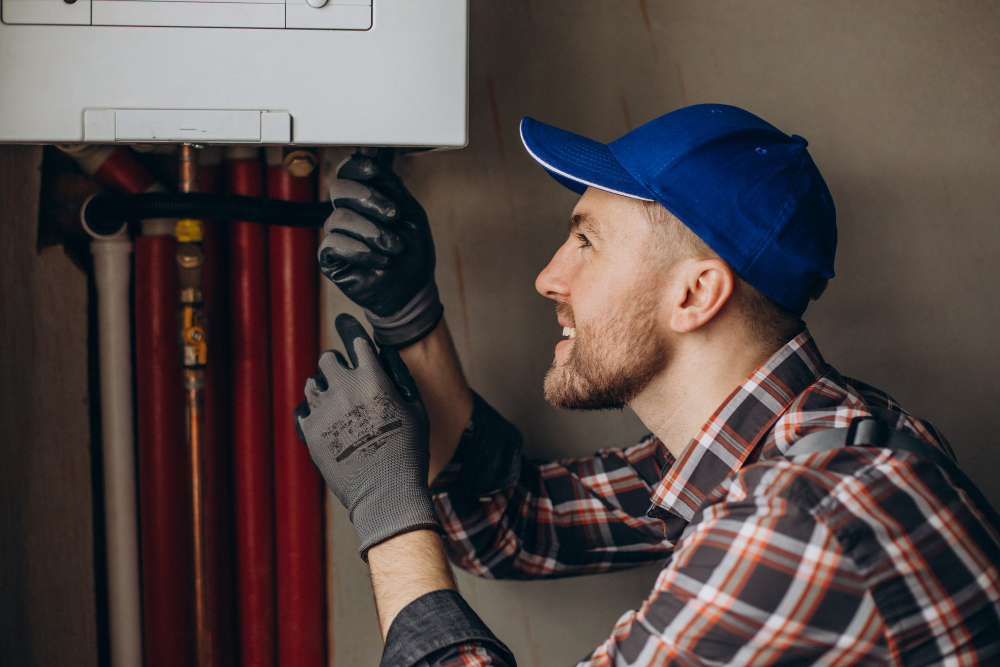
The start of professional boiler replacement involves the safe extraction of your current unit. Registered engineers will:
- The engineer will shut down gas supply at the meter point and disconnect boiler components from both gas and water supply systems.
- The system drainage process requires careful handling to stop water from spilling out.
- Detach pipes, flues, and wiring.
- The removal process of the old boiler unit requires strict adherence to safety regulations to stop gas leaks and damage.
- Your new boiler system requires a critical step which should be performed only by licensed professionals during the transition.
Step 4: Installing the New Boilers
The duration for boiler installation extends from one day to three days based on system complexity levels. The following steps represent the main processes of boiler installation:
- The boiler requires mounting on anti-vibration brackets when installed on a wall.
- The installation process includes gas supply connections along with water pipe connections for central heating and hot water systems and flue connections to safely vent combustion gases outside.
- The installation process includes adding new controls that include both programmable and smart thermostats.
- The installation team checks and modifies pipe slopes to enable successful air venting procedures.
- The system requires minimum pressure testing at 1.5 bar to locate any potential leaks.
- The boiler receives its final test through safety and efficiency checks that include combustion analysis following commissioning.
The typical Dublin residential boiler installation process allows engineers to connect new boilers to existing pipes through necessary modifications. The modification saves both installation time and reduces total costs.
Step 5: Testing, Safety Checks, and Aftercare
The completion of installation triggers technicians to perform security checks that validate both operational performance and safety standards.
- The inspection process includes leak tests for both gas and water pipes.
- The testing of combustion operations by flue gas analysers helps establish both operational efficiency and compliance with emissions standards.
- The system requires bleeding operations to eliminate air pockets from the system.
- Boiler controls, together with thermostats and timers, require setup during the installation process.
- A chemical inhibitor application protects the heating system from corrosion and sludge formation inside the system.
Most manufacturers, along with installers, suggest that customers establish yearly maintenance schedules to protect both boiler efficiency and extend its operational life. Regular maintenance operations will enable new boilers to operate for more than 15 years. You can find detailed information about gas boiler service at: Gas Boiler Services
Gas Boiler Replacement Insights
- Most urban Dublin households depend on gas boilers for heating thus efficient replacement solutions remain essential for central heating needs in these areas.
- The latest generation of condensing boilers delivers 20-30% better heating energy efficiency than conventional models.
- Households in Ireland can reduce their gas boiler replacement costs by 20-30% through various grants and schemes which support the process. The new boiler grants scheme details can be found here: Citizens Information
- Research indicates that households with new efficient boilers save between €300-450 every year on their heating expenses.
Additional Gas Boiler Tips for Dublin Homeowners
- Verify the RGI registration status of your boiler replacement contractor before hiring them for work in Ireland.
- Smart thermostats along with compatible controls offer the opportunity to improve both comfort levels and reduce consumption thus make a great choice for future heating system upgrades.
- When you replace your existing boiler ask your installation professional to assess possible improvements for your flue system and pipe insulation that will boost your heating efficiency.
- Maintain records of boiler installation and servicing because these documents help with warranty claims and potential insurance advantages.
In Conclusion
A properly executed gas boiler replacement delivers the best possible solution to increase home energy efficiency while decreasing heating costs and enhancing safety standards in Dublin residences. Homeowners who follow the described process and select qualified experts will achieve seamless transitions to dependable new boilers which provide warmth for many years.
Start your boiler replacement process by having a trusted RGI-registered engineer in Dublin perform an initial assessment followed by a 1–3-day installation period. The most important factor in your investment should be energy efficiency together with high-quality aftercare services.
For more information and Quotes, contact us! Contact us